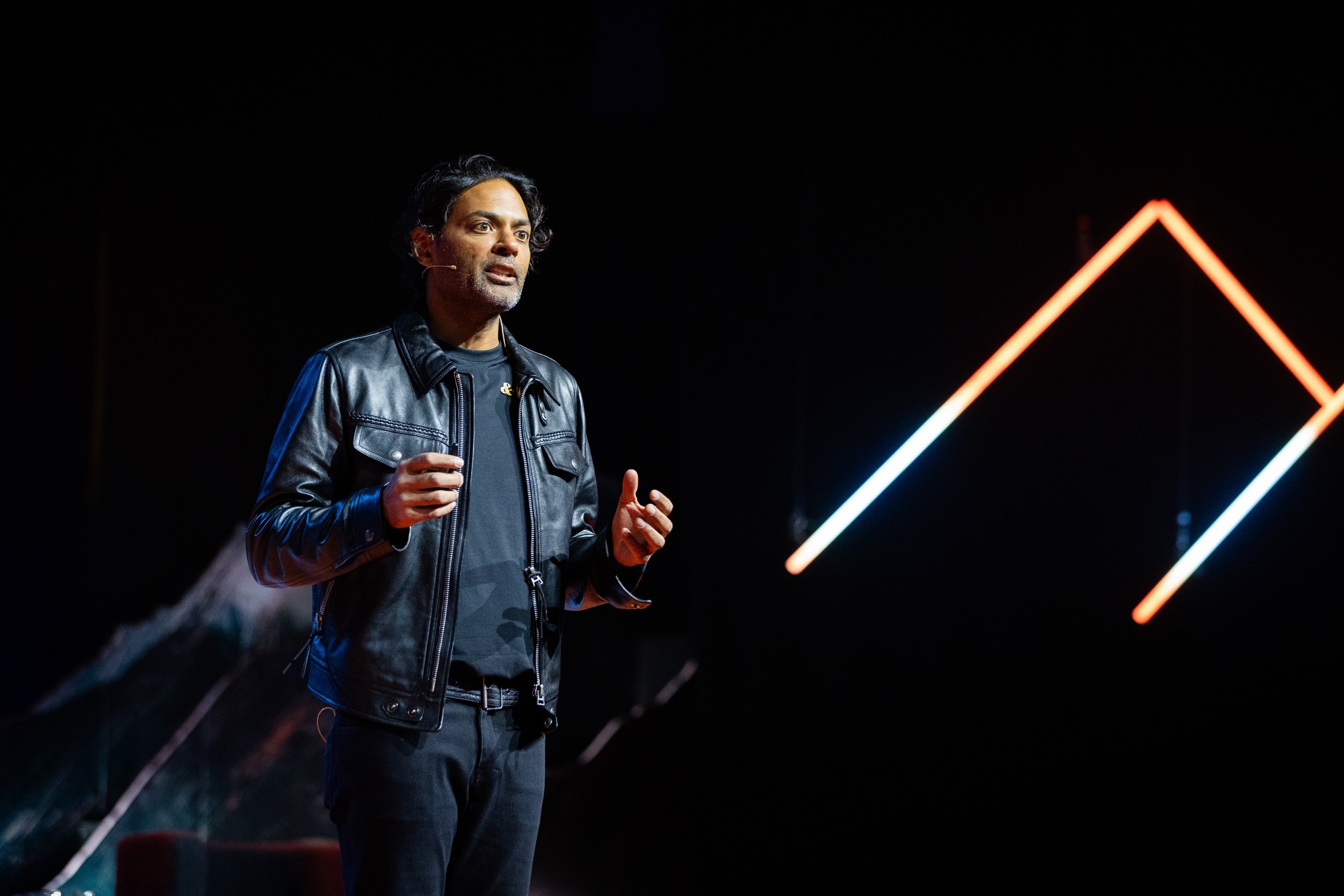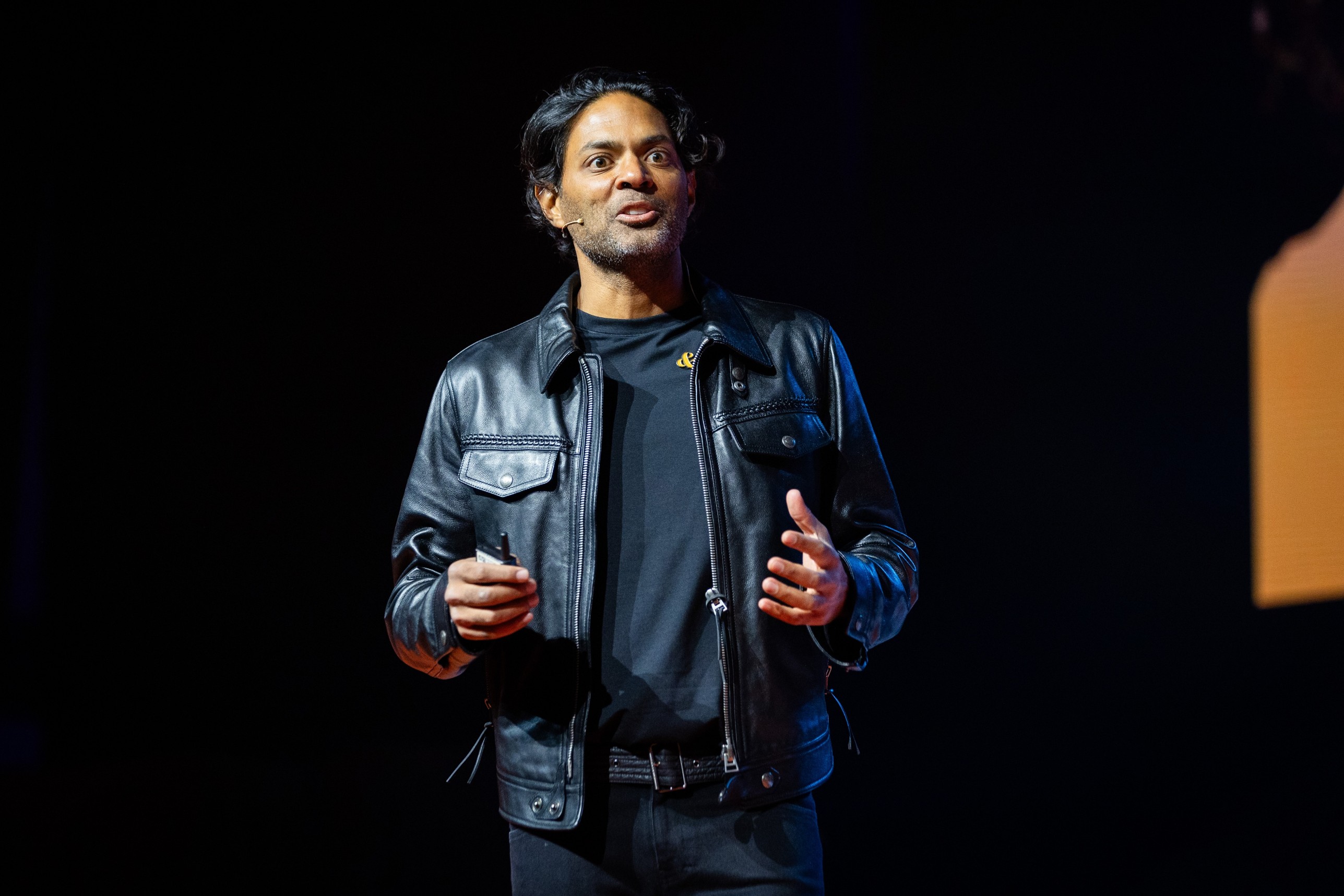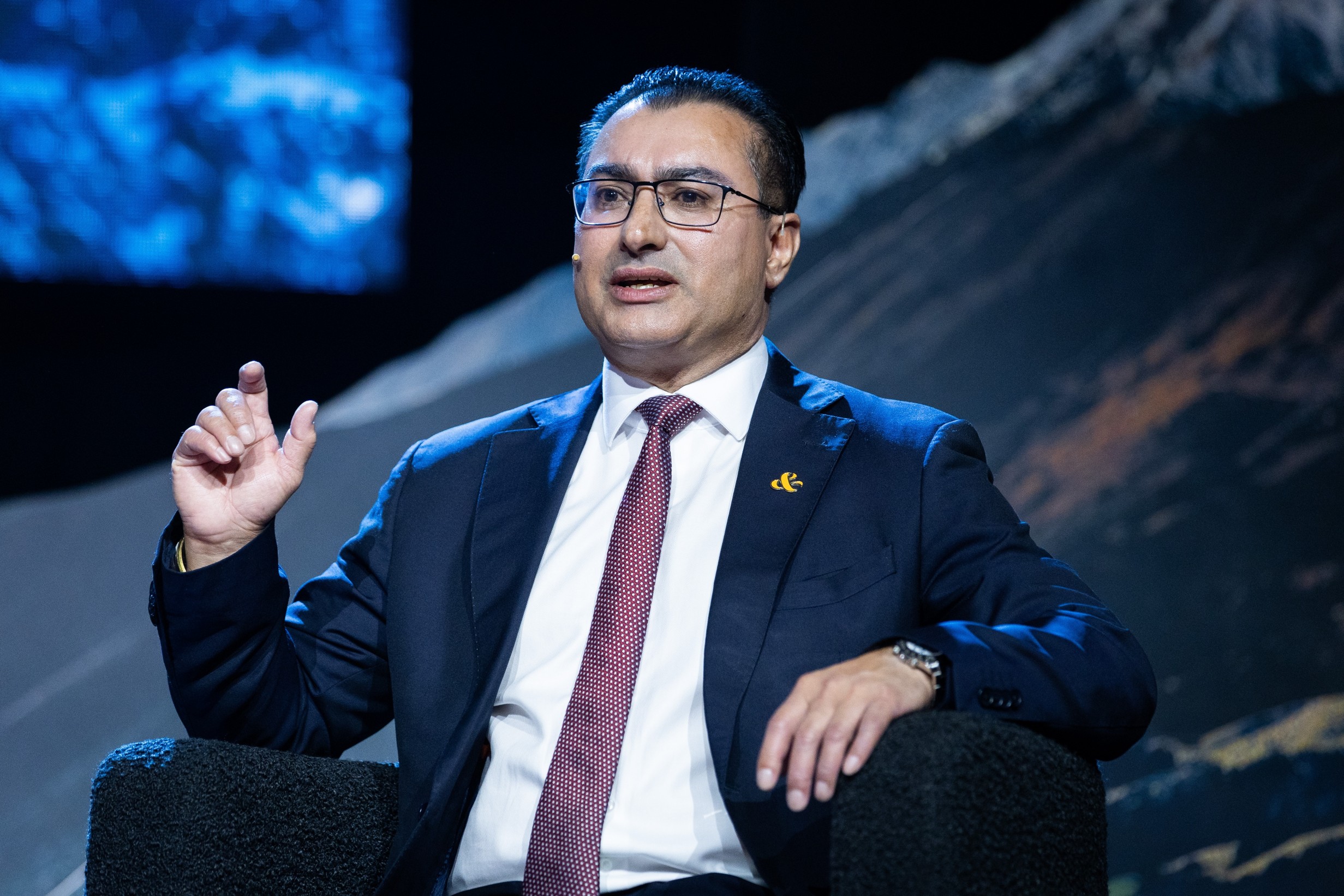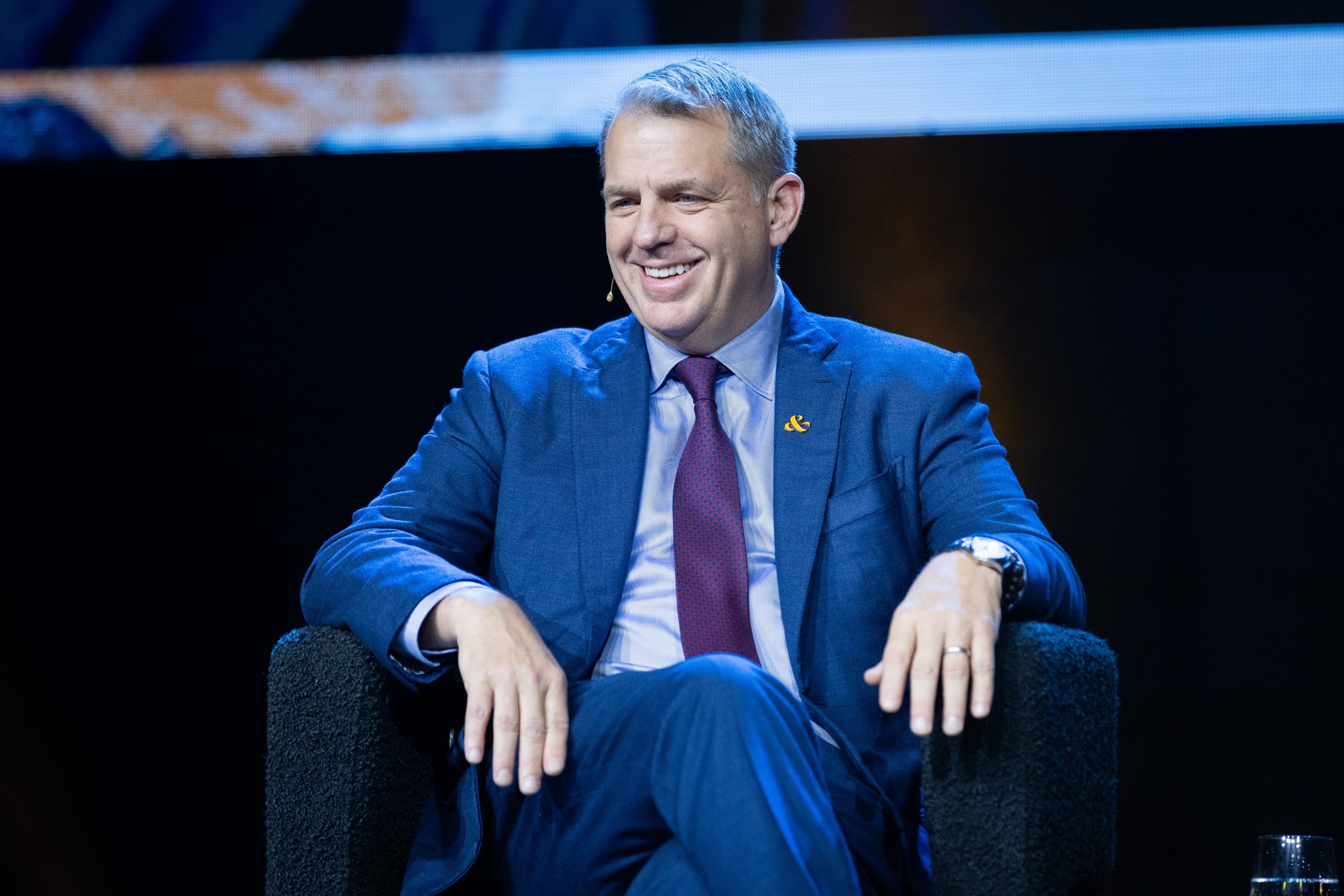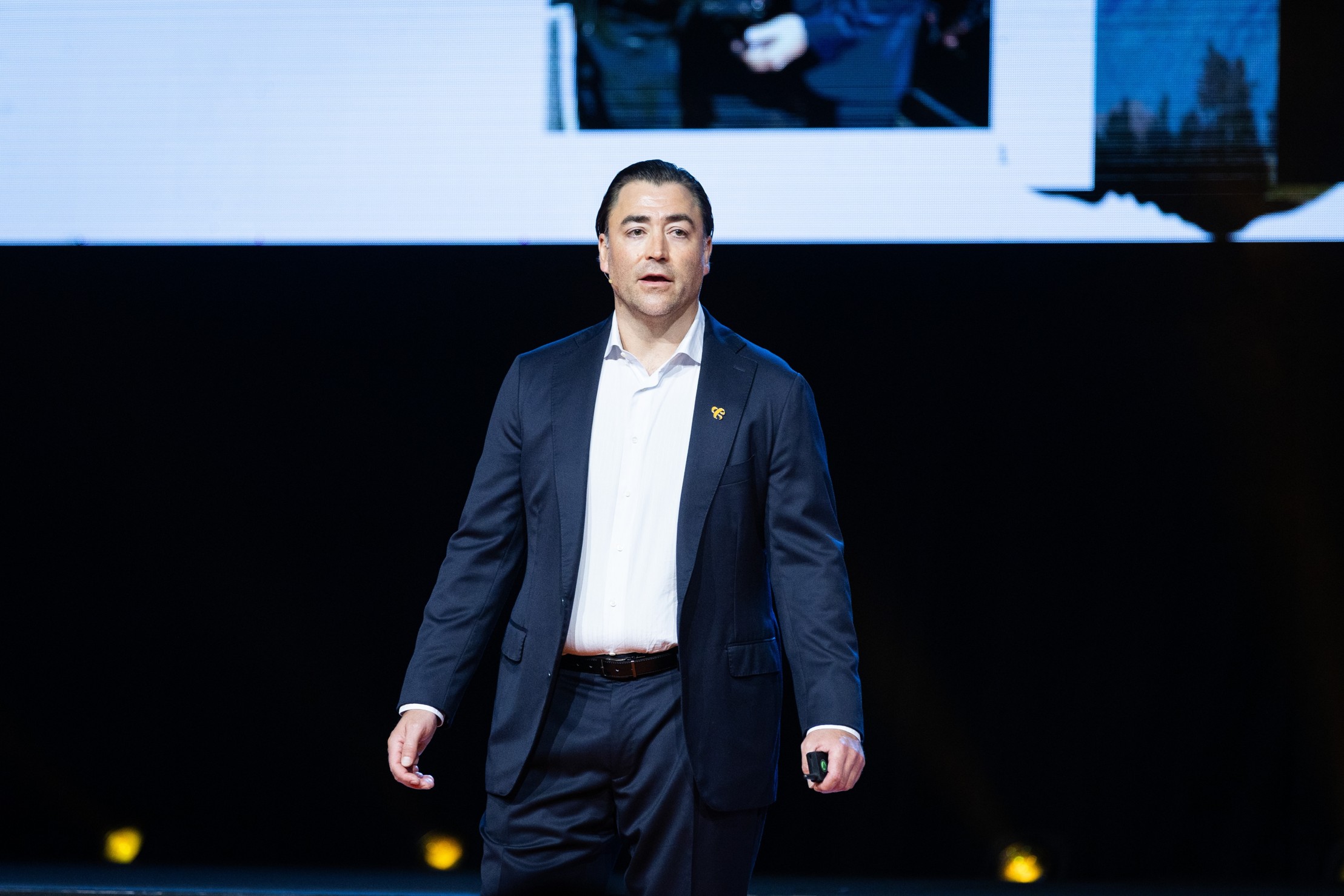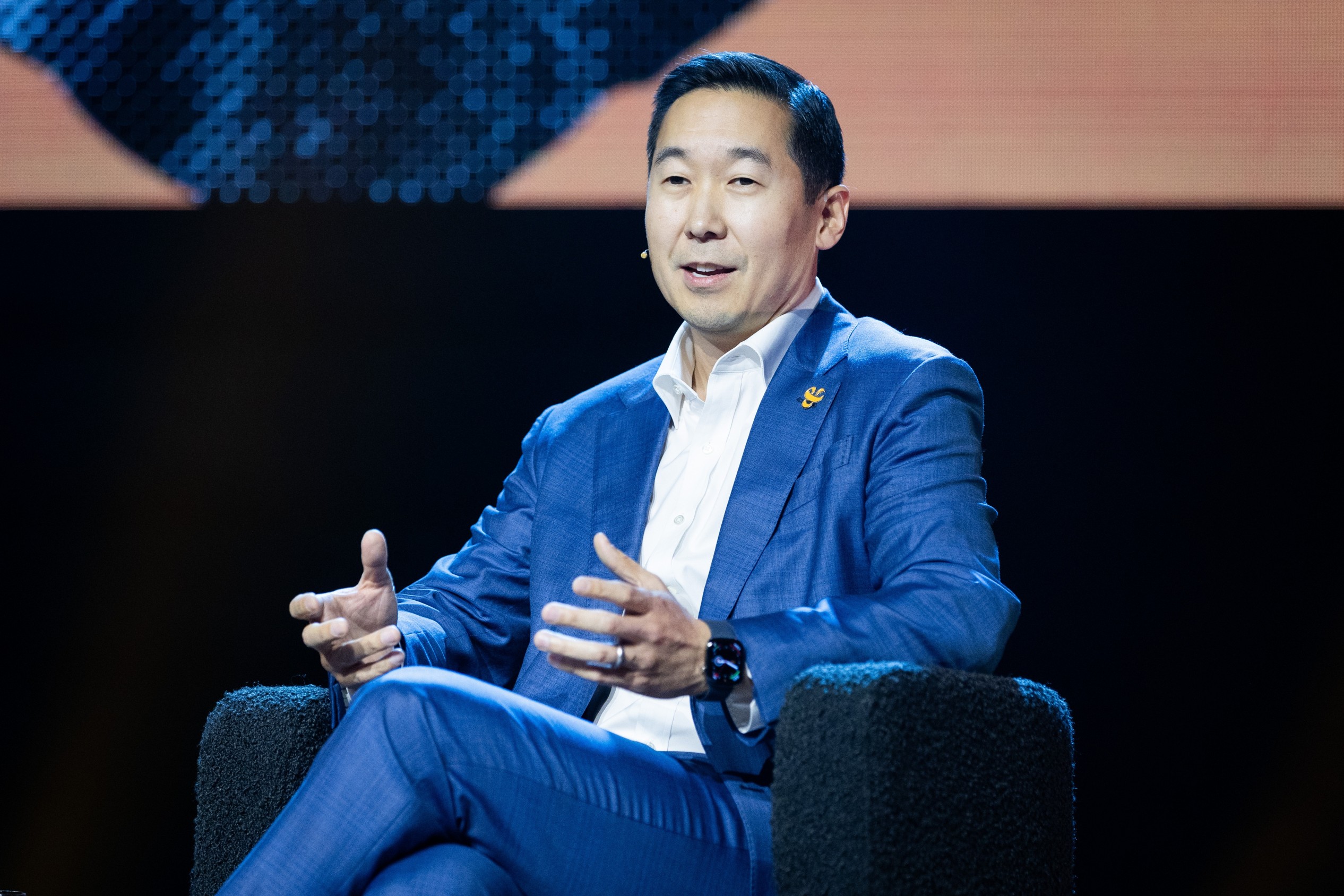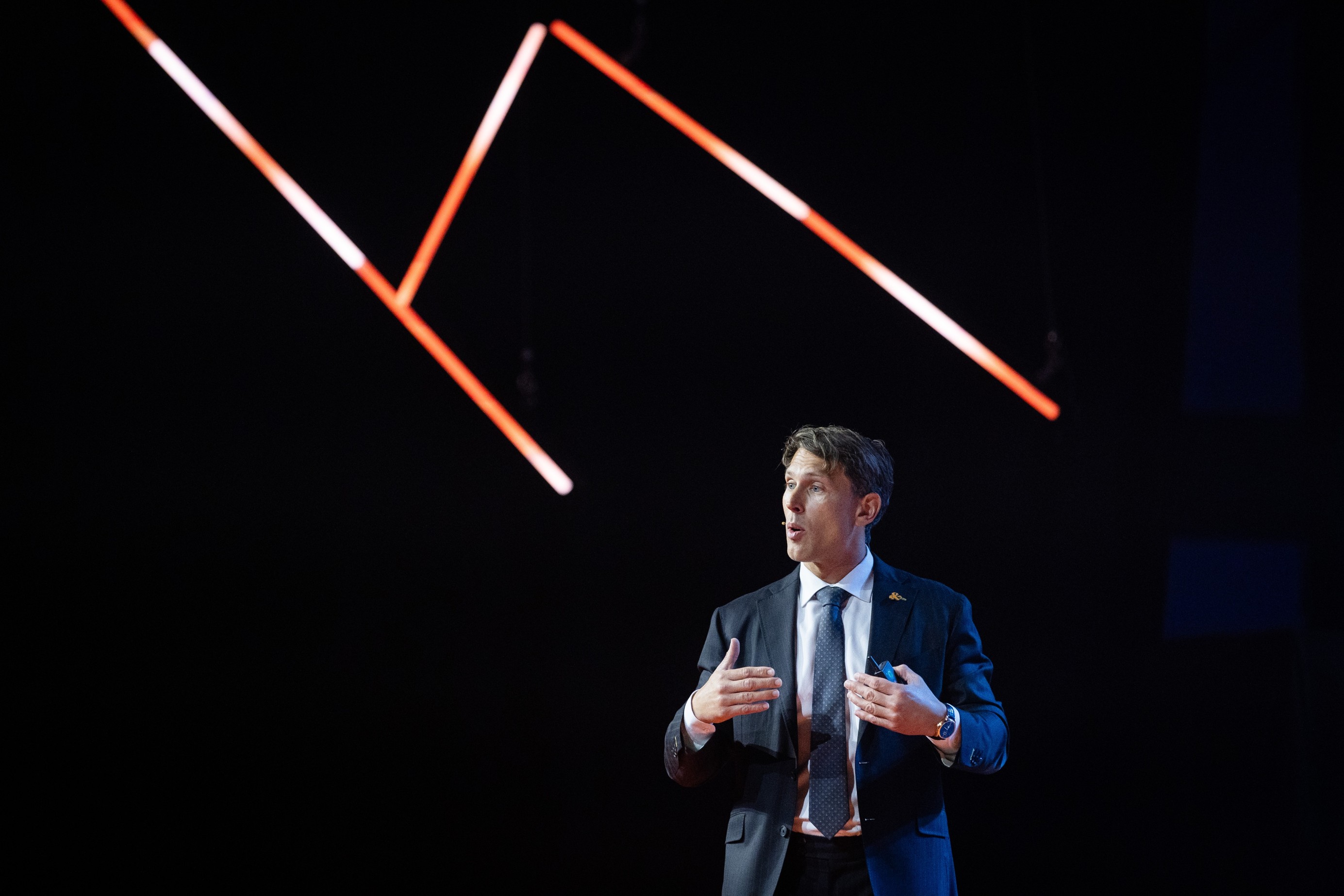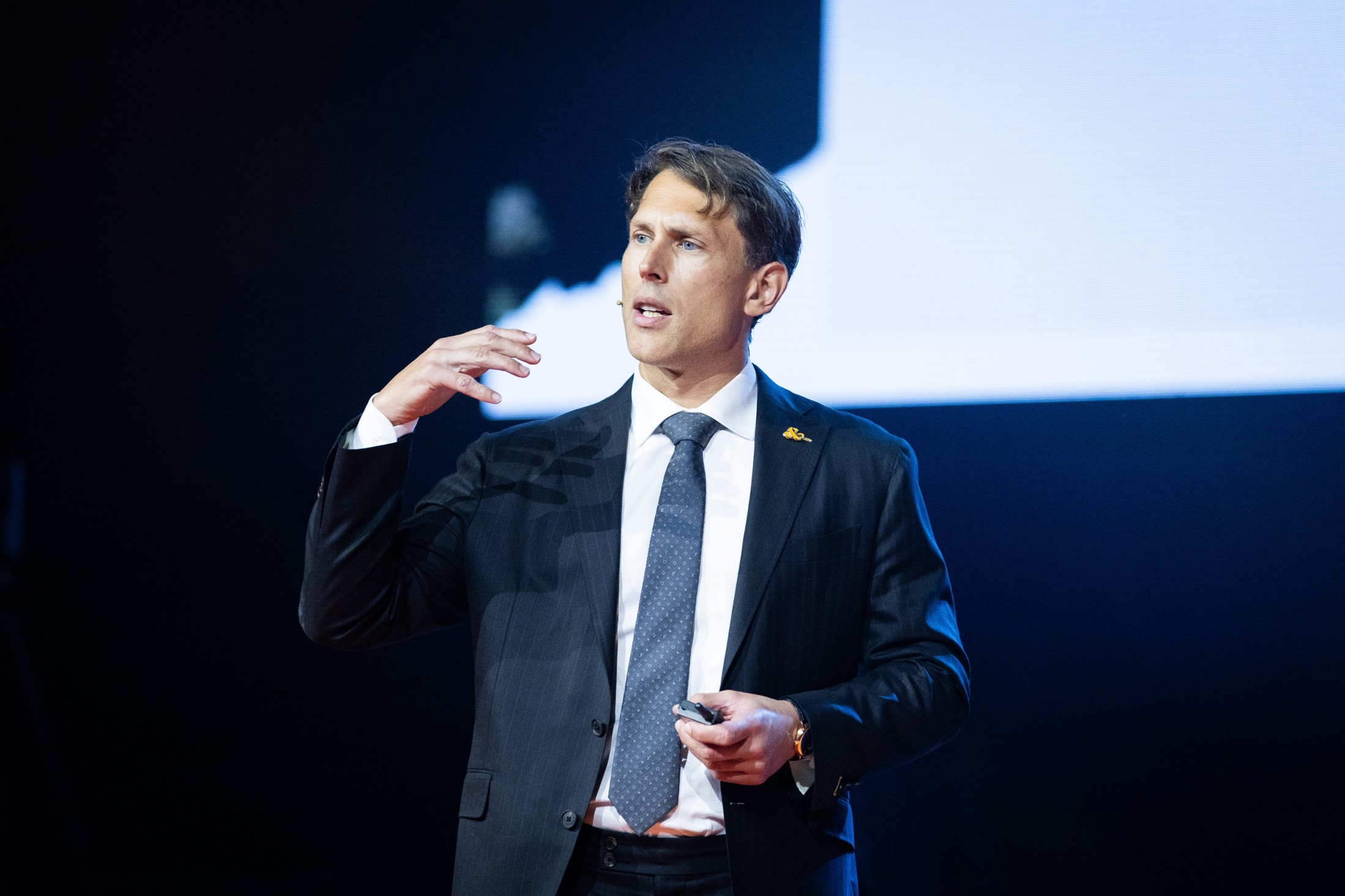
The annual gathering of investors and bankers, in New Zealand this year, was punctuated by a violent sell-off on Wall Street and fears about the AI revolution.
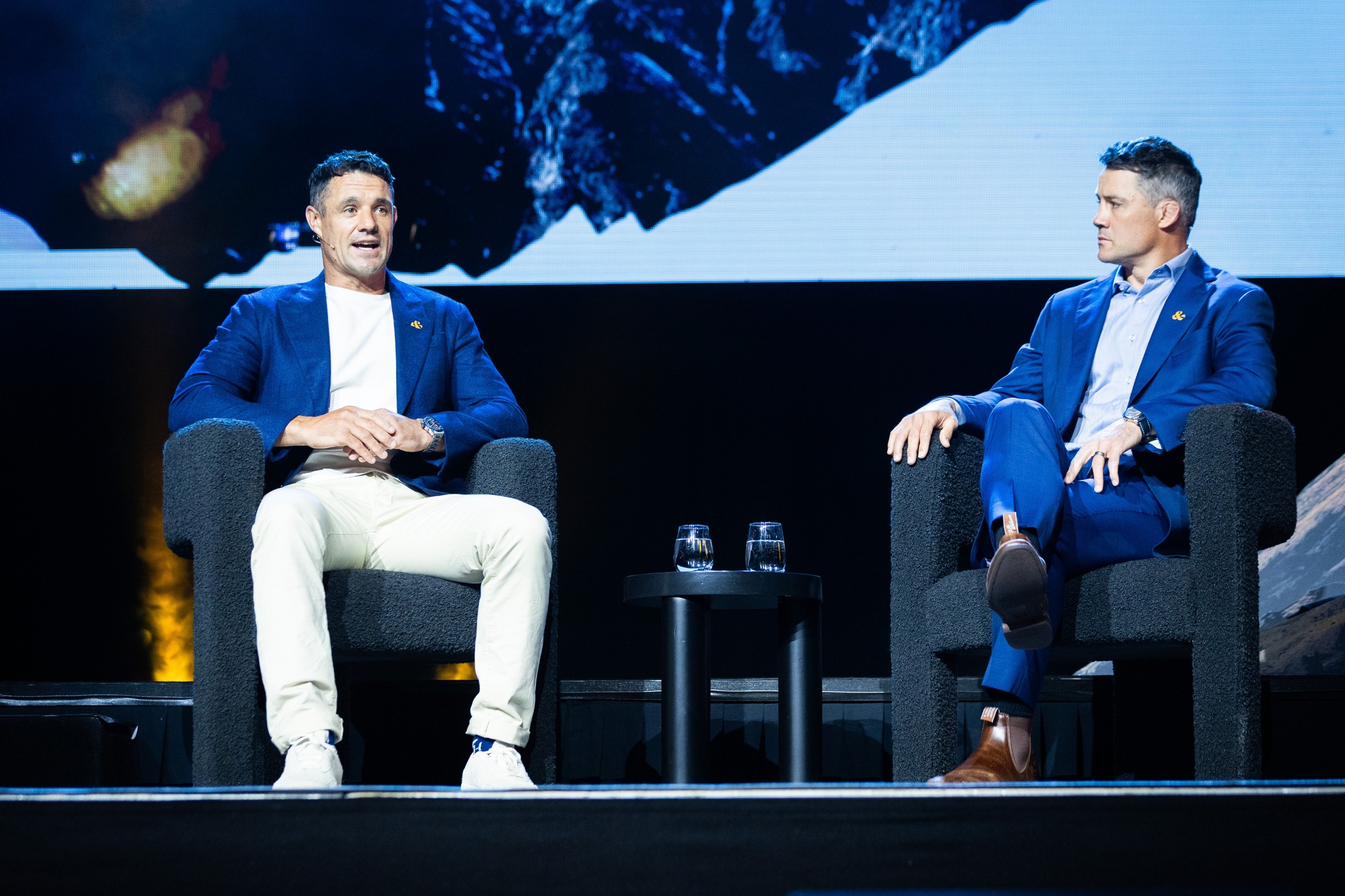
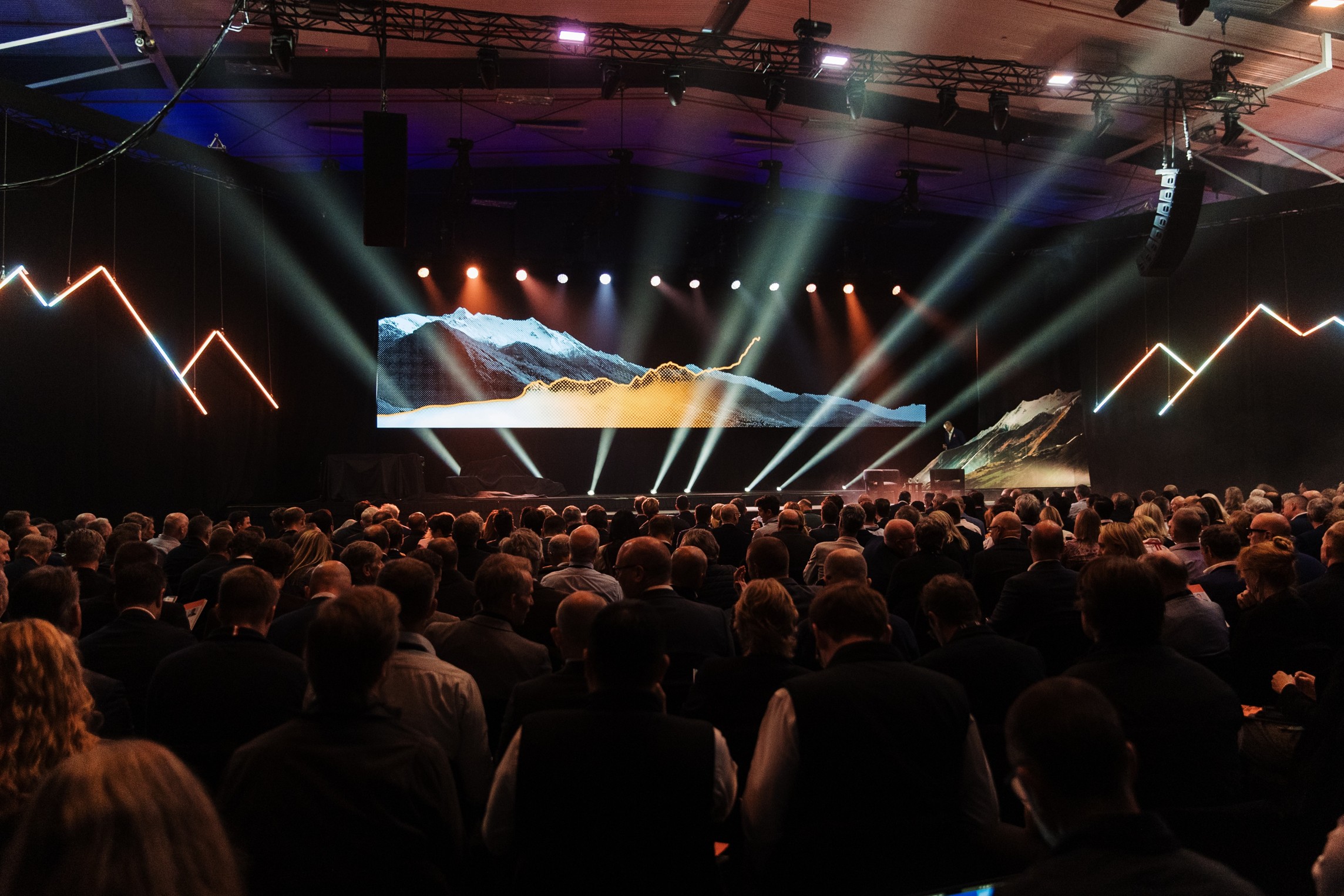
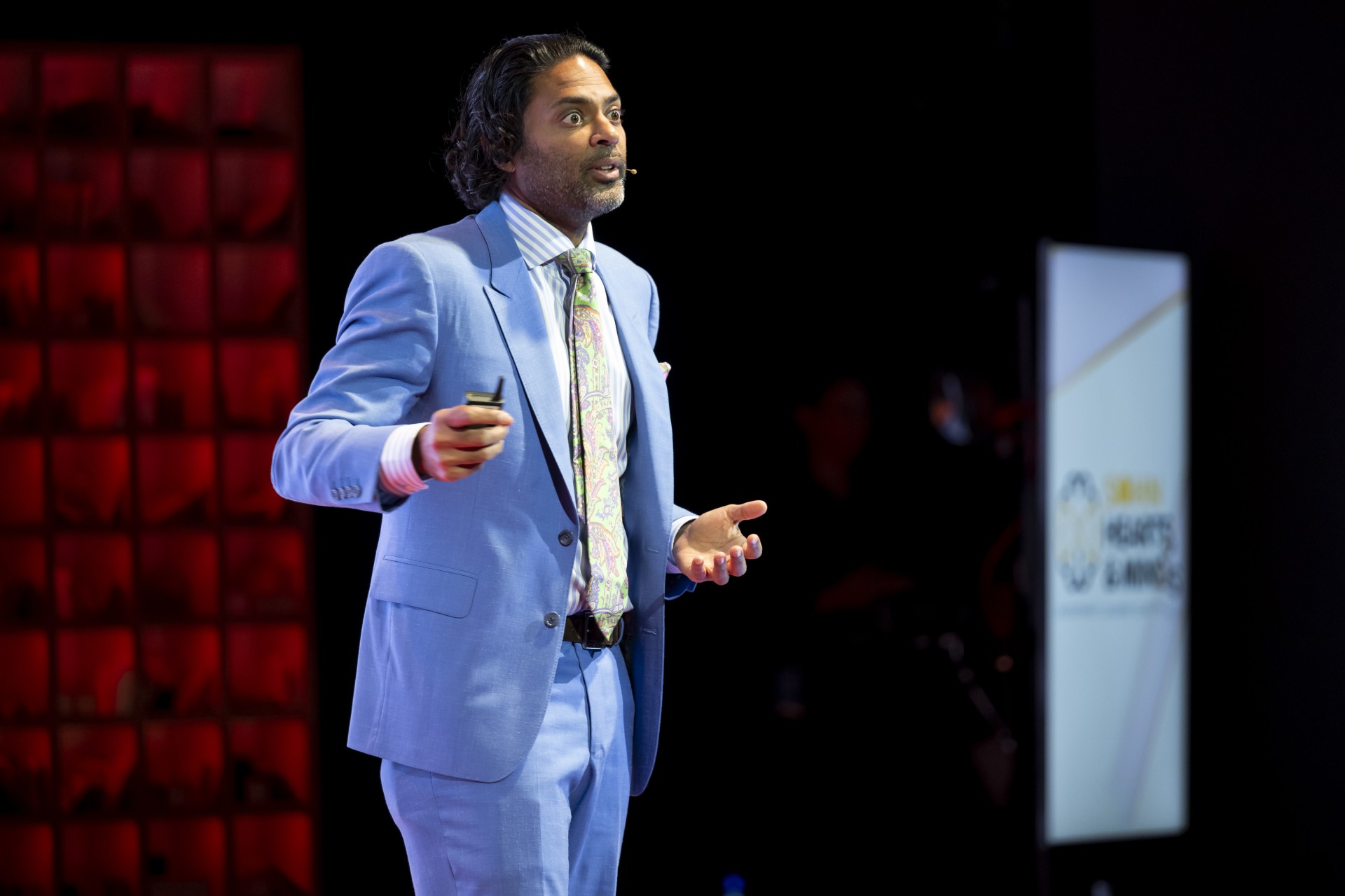
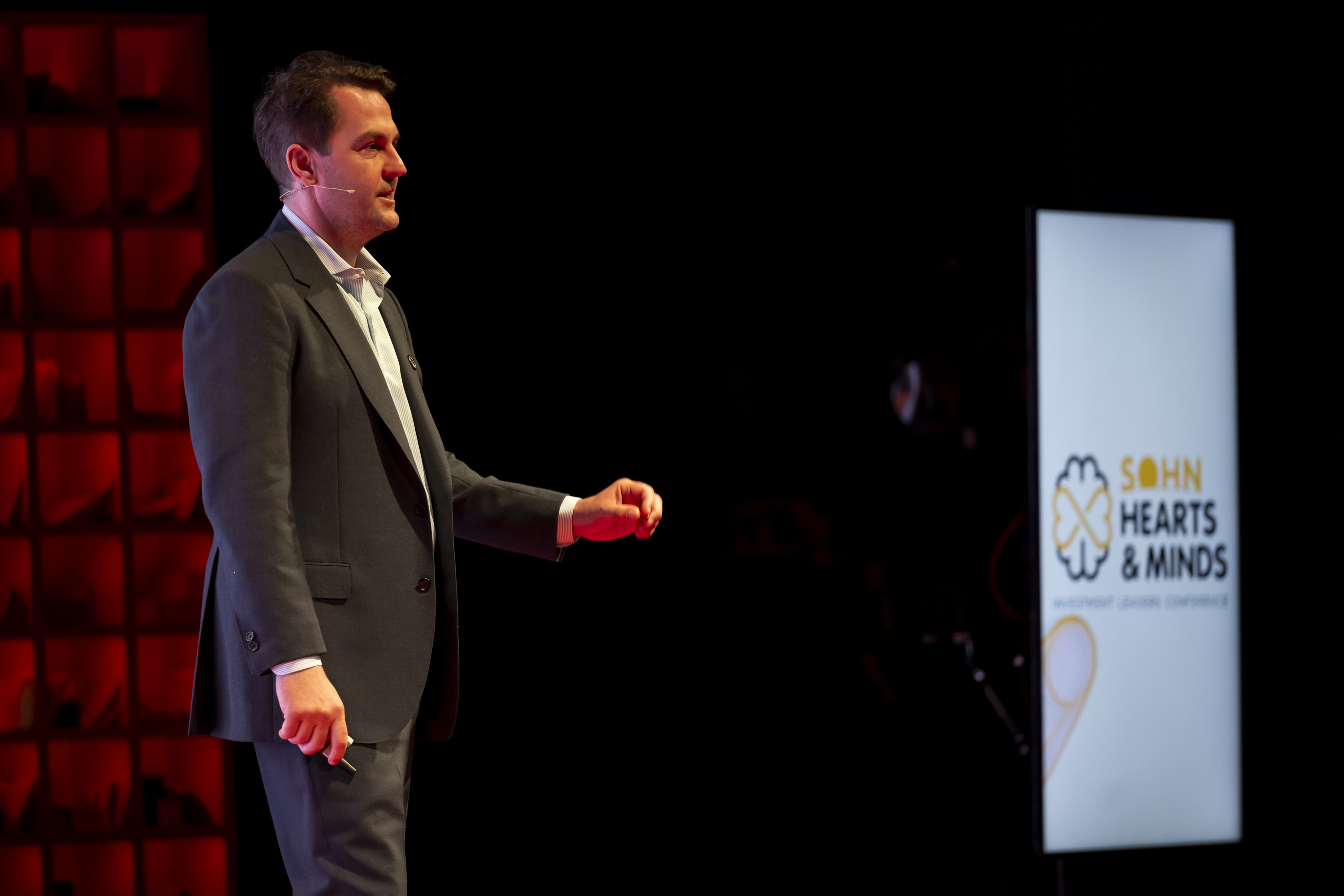
The Sohn Hearts & Minds conference celebrated its tenth anniversary in Queenstown, New Zealand, with fund managers gathered in the foothills of The Remarkables mountain ranges, which were still capped with snow.
This year’s event was punctuated by a violent sell-off on Wall Street with investors, bankers and venture capital types waking up to trillions of dollars wiped from the sharemarket amid fears of heavy artificial intelligence regulation after the Democrats’ sweeping victory in the US midterm election.
But while the AI trade was imploding, at least two fund mangers were leaning in, telling the audience to buy stocks at the heart of the revolution.
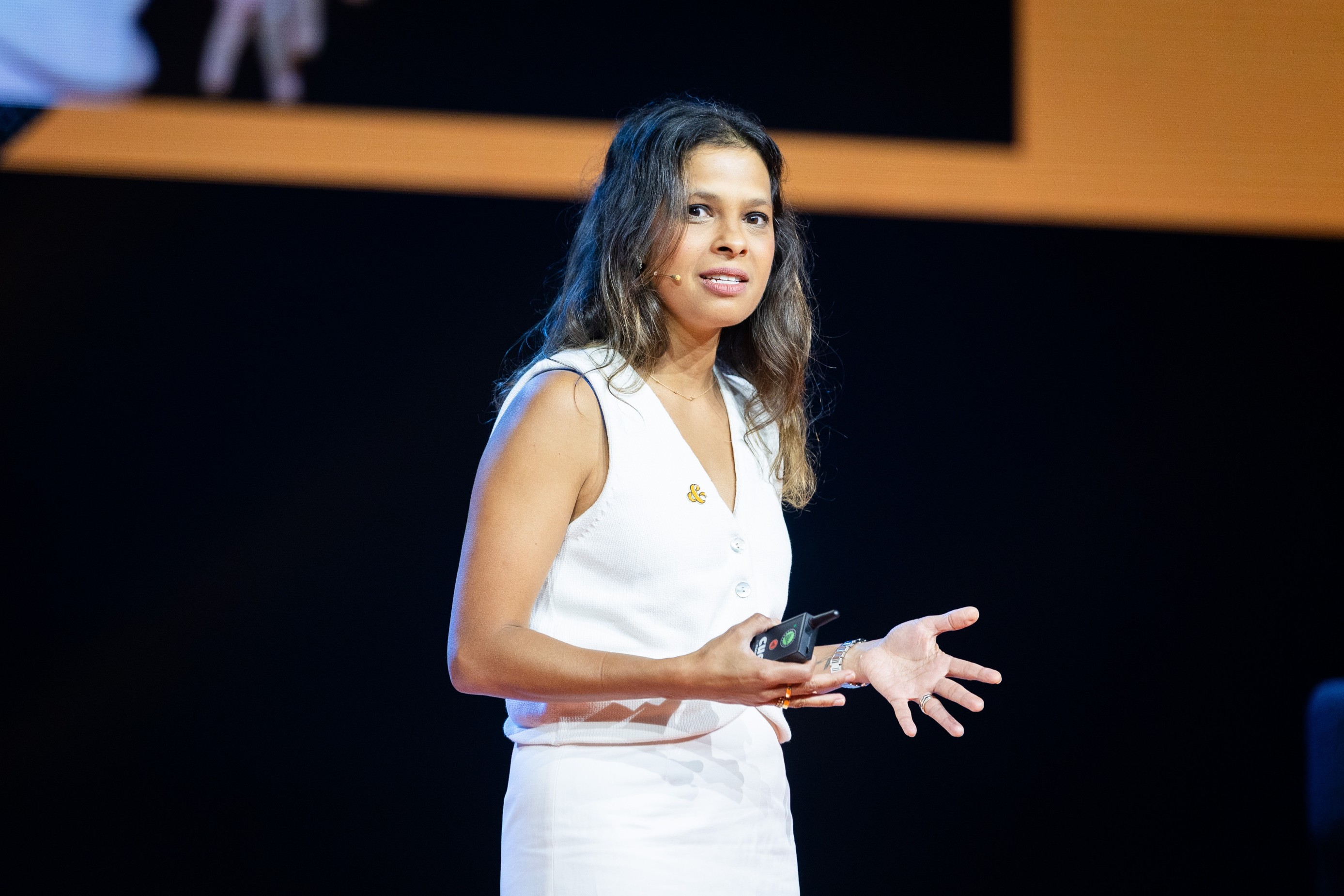
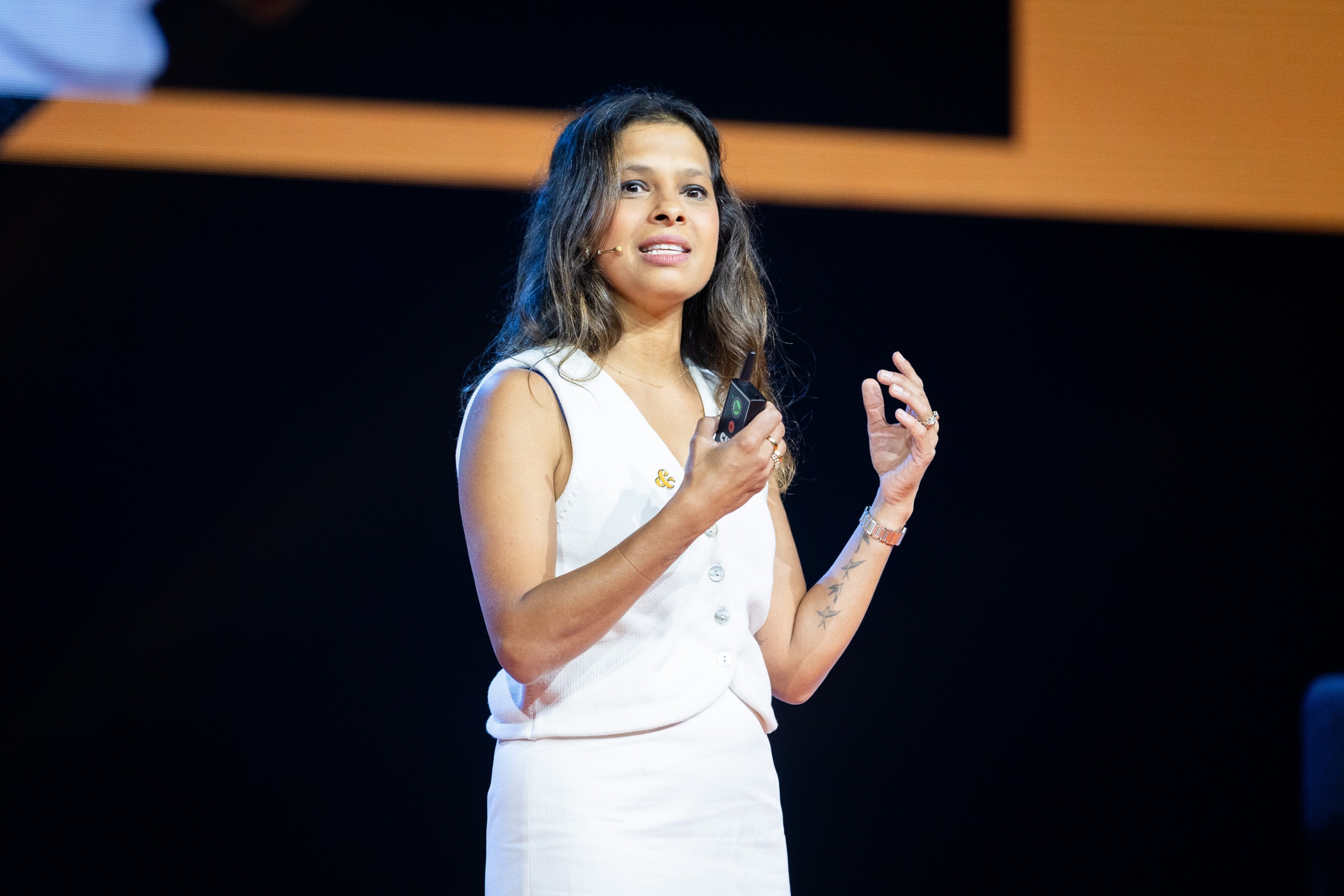
Vihari Ross | Antipodes Partners
Disney was priced for structural decline, but the entertainment conglomerate still had a bright future as it moved to streaming and pushed into cruises, Antipodes Partners’ Vihari Ross said.
“This is a fundamentally compellingly valued business,” she said, pointing out the stock was trading at 14.5 earnings, the same multiple as 10 years ago.
“What that negative headline narrative misses is the strength of the business under the surface.”
Ross pitched that Disney was delivering 10 per cent earnings growth and that when 5 per cent dividends and buybacks were added, its free cash flow was ratcheting up.
“We’re looking at up to 20 per cent per annum return opportunity in this business,” she said. “It has that real asset portfolio of parks and resorts, which actually drives the cash flow of the business.
“Streaming is rapidly replacing TV. It’s got that multipronged monetisation capability, and it has significant scale and cost advantages.”
Jeremy Bond | Terra Capital
Terra Capital’s Jeremy Bond pitched Toronto-listed gold producer G Mining Ventures.
The company’s key project is the Oko Gold Project in Guyana, which Bond described as “one of the true, beautiful, high-grade, low-cost mining deposits in the world”.
“It’ll be funded from cash flow and the debt they already have,” he told the audience of fund managers. “That will take the company from producing 175,000 ounces to 350,000 ounces within a couple of years, and on to 600,000 ounces within the next three years, and that is the operational leverage you want in the mining companies.”
Bond said he looked for a company that had a high-grade, low-cost, long-life asset with a fantastic management team. G Mining’s founder Louis Gignac was also a renowned mining entrepreneur and a 2016 inductee into the Canadian Mining Hall of Fame.
Andrew Curtayne | Milford Asset Management
Milford Asset Management’s Andrew Curtayne said Dutch computer chip manufacturing equipment maker ASML was best placed in the AI supply chain with a 70 per cent upside that would make it Europe’s first US1trillion(1.4 billion) business.
“It is the power that binds everything together,” he told the audience. “Without ASML, there would be no leading-edge chips.”
ASML, pitched at the 2022 Conference in Hobart by Munro Partner’s investment chief Nick Griffin, is a lithographer that is crucial in the manufacturing and printing of high-end chips and has a 90 per cent market share, but got caught up in the savage sell-off of artificial intelligence stocks overnight.
“The timing cannot be better today, because as of the technology sell-off last night, that stock has just got about 10 per cent cheaper,” the New Zealand-based fund manager said. “With the sell-off last night, and over the last few days, all of these stocks have gotten cheaper, which makes it the perfect hunting ground.”
Ravi Chopra | Azora Capital
Miami-based Ravi Chopra, who specialises in US financial stocks, believes the market’s fears about AI destroying LPL’s profits are overdone.
LPL serves 32,000 advisers with $US2.5 trillion of assets and makes profits from the idle cash of its customers, earning a spread between the rate it pays and the interest it earns in money market floats.
The company trades at seven times earnings, but Chopra said, “in the future, AI agents will be able to move cash out of customer accounts into higher-yielding alternatives and take those profits with them”.
“What we believe the market is missing is that financial advisers have already optimised client cash,” he added.
Robert Mullin | Marathon Advisers
Marathon Advisers’ Robert Mullin tipped London-listed oil and gas company Harbour Energy as a stock that could nearly double in value.
Mullin believes the UK’s increasingly punitive North Sea tax regime, which has driven major oil companies away, has created an opportunity for independent operators to acquire assets “at pennies on the dollar”.
Harbour, with operations across the UK and Norwegian North Sea, as well as the US and Argentina, is generating significantly more cash than previously expected.
Mullin estimates free cash flow could reach $US3 billion, against a market capitalisation of about $US6.5 billion. “I’m a cash flow pig,” he told the audience.
Even with oil at $US75 to $US90 a barrel, he expects annual cash generation of $US1.5 billion to $US2 billion, allowing Harbour to rapidly reduce debt, buy back shares and increase dividends.
“I think there are a couple of different pathways here,” Mullin said. “Path one is the status quo; no taxes are changed. This company generates a tremendous amount of cash.
“If we think it’s a moderate oil price environment, they pay off their debt in two years, furiously putting that back into capital returns.”
John Pinkel | Indus Capital
Indus Capital’s John Pinkel has pitched Tokyo-listed confectionery and gift sweets manufacturer and retailer Kotobuki Spirits, arguing that the stock offers exceptional returns on capital, consistent growth and an increasingly attractive valuation.
“Japan is notoriously a market with low returns on investor capital,” Pinkel said. Yet Kotobuki has generated an average return on invested capital of 30 per cent over the past three years, compared with about 9 per cent for the broader Japanese market.
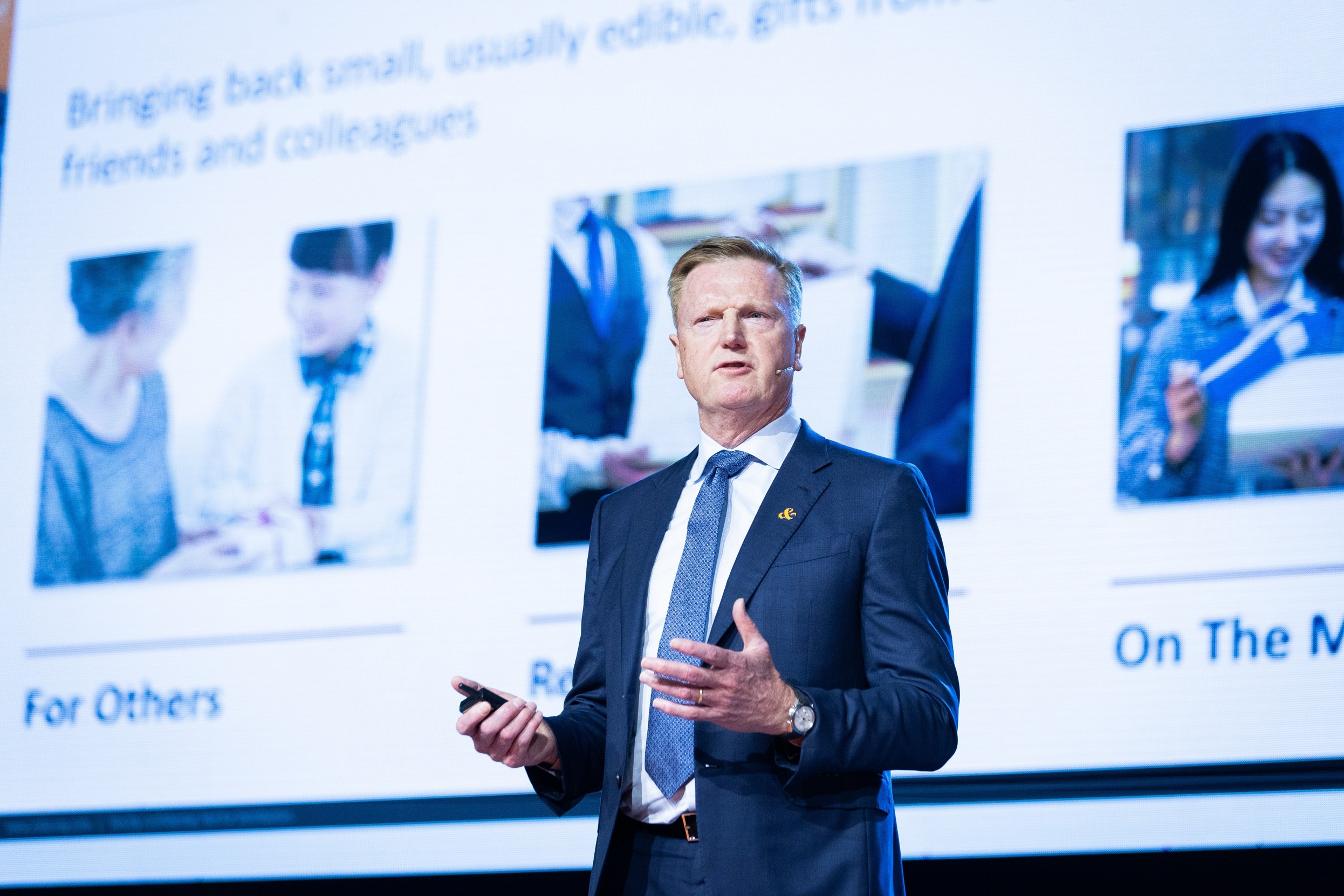
The company operates 47 brands selling premium gift sweets, tapping into Japan’s so-called omiyage tradition of bringing back regional gifts and souvenirs for family, friends, and coworkers after returning from a trip.
John Wylie | EFM Asset Management
As the stock was sold off in New York, EFM’s John Wylie said Nvidia was “trading like a value stock, albeit we think with a growth profile that remains intact”.
“Over the past year, Nvidia’s revenue growth estimates for its AI data centre segment have roughly doubled,” Wylie said. “Over exactly the same time period, the multiple that the market is willing to ascribe to that growth profile has been more than cut in half.”
It was a brave day to pitch as the shares finished down 9 per cent on Wall Street.
“The market is clearly concerned that Nvidia’s moat is either at risk and/or the market is concerned that the dramatic infrastructure build-out that’s required to support these growth metrics simply will not occur,” he said.
Samantha D’Amore | Cymer Capital
Cymer Capital’s Samantha D’Amore argued Japanese-listed Fast Retailing, owner of the widely known retailer Uniqlo, focused on affordable, functional clothing that set it apart from fast-fashion rivals.
“Fast Retailing is not the same thing as fast fashion,” D’Amore said. “They make high-quality basics and functional clothing at affordable prices. It’s a narrow range of products refined over the years. No logos, no chasing trends. It’s quiet.”
Uniqlo’s Heattech and Airism fabrics delivered technical performance without luxury price tags, helping drive customer loyalty and repeat purchases, D’Amore said.
Ross Cameron | Northcape Capital
Northcape’s Ross Cameron said Korean-listed Coway, which makes water and air-purification products, had been overlooked as investors in South Korea piled into AI stocks.
“This is a boring business, and so it got forgotten,” he told the conference, noting that the company was trading at nine times earnings. “We have economically insensitive double-digit earnings growth, a ridiculously cheap multiple and structural tailwinds.”
Coway has also been targeted by Korea’s largest activist fund, Align Partners, which has taken a 7 per cent stake.
“They see the same things that we do. This is dirt cheap, and they’re campaigning for more people to understand the opportunity here.”
David Allen | Plato Investment Management
Plato’s head of long/short strategies David Allen has warned that artificial intelligence giant Anthropic presents 14 red flags and could make an attractive short once it starts trading on Wall Street.
The fund has found that eight or more red flags typically results in a stock underperforming the benchmark by 20 per cent over the next 12 months.
Allen acknowledged the Californian startup’s investor appeal, pointing to gross margins of about 85 per cent and “eye-watering” revenue growth. But he said the other side of the balance sheet deserved closer scrutiny.
Anthropic is scheduled to list on the Nasdaq later this month.
Please note: HM1 will not be adding Anthropic to the 2026/2027 conference portfolio.
This article was originally posted by Australian Financial Review here. Licensed by Copyright Agency. You must not copy this work without permission.


David Allen, Head of Long/Short Strategies at Plato Investment Management, discusses the region's market selloff as the AI slump deepens and where he sees opportunities in the technology sector. He speaks with Haidi Stroud-Watts on the sidelines of the Sohn Hearts & Minds conference in Queenstown, New Zealand.

Revolution Asset Management Managing Director and Chief Investment Officer Bob Sahota discussed his firm’s conservative approach to private credit, emphasizing cash-flow based lending. He also discussed why the firm isn't betting on data centers or picking AI winners, on the sidelines of the Sohn Hearts & Minds Conference in Queenstown, New Zealand.
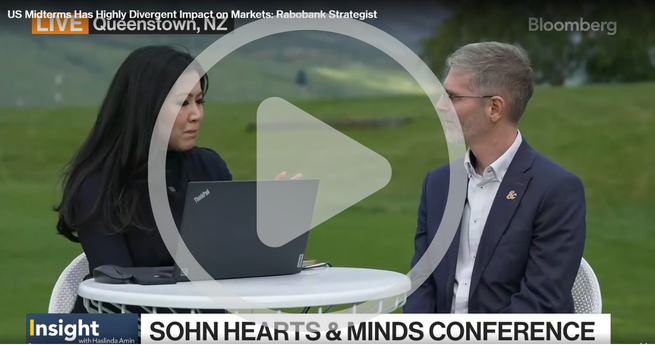
Rabobank Global Strategist Michael Every warns that warned that US President Donald Trump’s weakened domestic position heightens geopolitical uncertainty, and how the US-China rivalry still could impact markets. He speaks on the sidelines of the Sohn Hearts & Minds Conference in Queenstown, New Zealand.
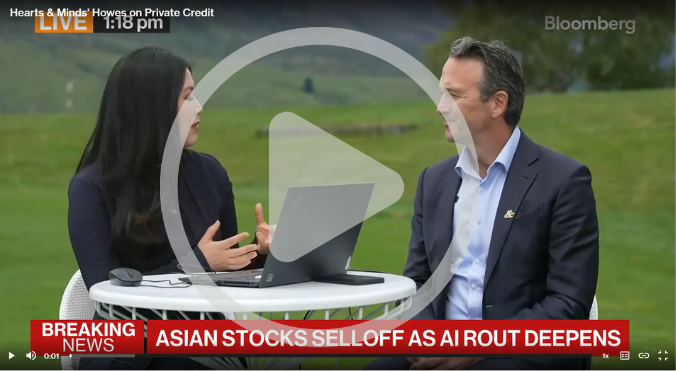
Richard Howes, Managing Director at Hearts & Minds Investment, discusses the investment opportunities in the private credit markets. He speaks with Haidi Stroud-Watts on the sidelines of the Sohn Hearts & Minds conference in Queenstown, New Zealand.
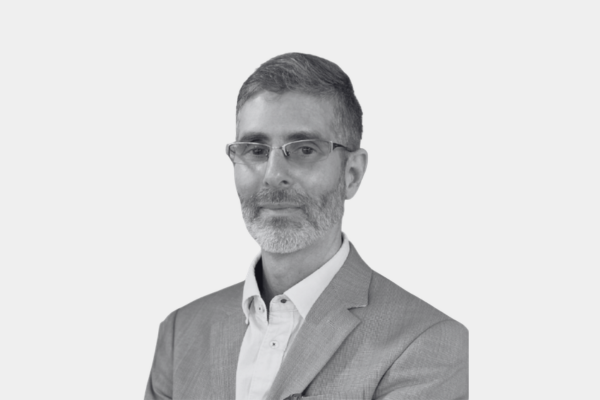
According to Singapore-based global strategist with Rabobank Michael Every, countries have spent decades optimising for quarterly or annual GDP numbers without asking what growth is actually for: and that is safety, sovereignty and resilience.

Sohn Hearts & Minds today announced that Robert F. Smith, Founder, Chairman and CEO of Vista Equity Partners, will headline the near-sold-out 2026 Investment Leaders Conference in Queenstown, New Zealand, on 6 November.
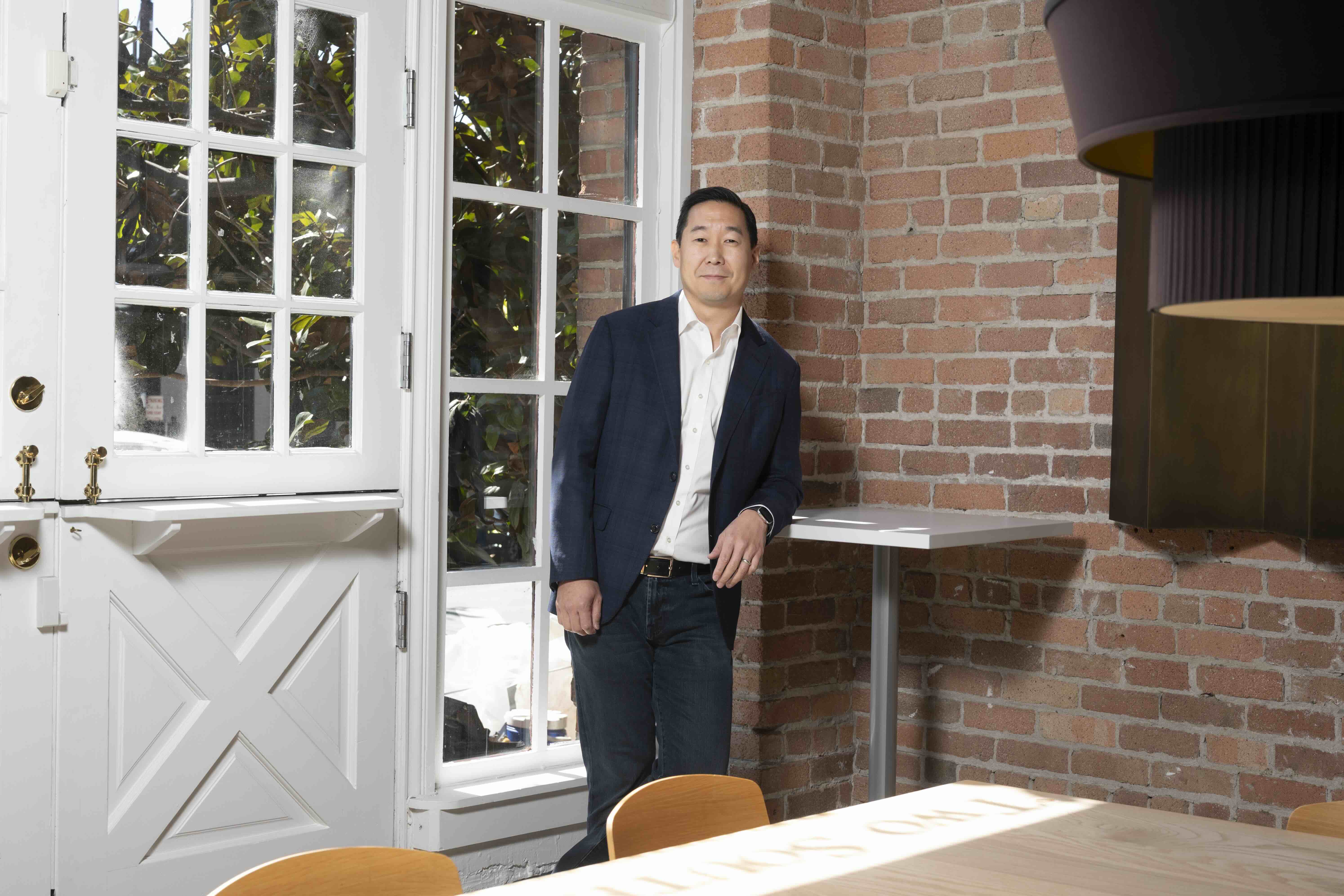
It seems hard to believe, but just a little over two years ago an investment in frontier artificial-intelligence play Anthropic was considered a contrarian bet. Today the start-up behind the Claude model is on the cusp of a $US2 trillion ($2.7 trillion) stockmarket listing.

In an episode of The Astute Investor, hosted by long-standing Sohn Hearts & Minds Conference supporter LGT Wealth Management, Martin Randall speaks with Isaac Kim and Michael Romano of Lightspeed Venture Partners about the opportunities, risks and investment implications of AI.